
With the arrival of the warm months, gardeners face new challenges to keep their green spaces healthy. Summer can be a stressful time for plants, with high temperatures and the risk of drought. By adopting the right practices, it is possible to preserve the vigor of your garden. From wise watering to protection against pests, as well as choosing heat-resistant plants, targeted strategies can make all the difference. The following tips aim to equip you so that your garden remains a haven of freshness and beauty, even under the summer sun.
Watering Strategies and Heat Protection
In the face of a heatwave, the survival of your garden relies on thoughtful watering practices and appropriate protective measures. How to water plants during these times of intense heat? The goal is twofold: to provide the necessary hydration without waste and to protect the root system from the sun’s onslaught. Follow the natural rhythm of your plants: watering early in the morning or in the evening increases the effectiveness of the water provided by reducing evaporation. The heatwave leads to increased evapotranspiration, and this is how signs such as oleander dry leaves signal an immediate need for attention.
Mulching for plants proves to be a leading technique in the fight against drought. This method involves covering the soil around plants with organic or mineral materials to retain moisture, provide a barrier against heat, and limit weed growth. Mulching is a concrete response to plant protection, offering them a cooler and more humid microclimate, essential during heatwave periods.
Creating shade for plants is a strategy often underestimated. Using shade sails, umbrellas, or even strategically planting taller species to shade the more sensitive ones can significantly reduce the thermal stress experienced by plants. Automated irrigation systems, set to operate at the most opportune times, also ensure a regular and adjusted water supply, thus protecting the garden from the harmful effects of prolonged exposure to the heatwave.
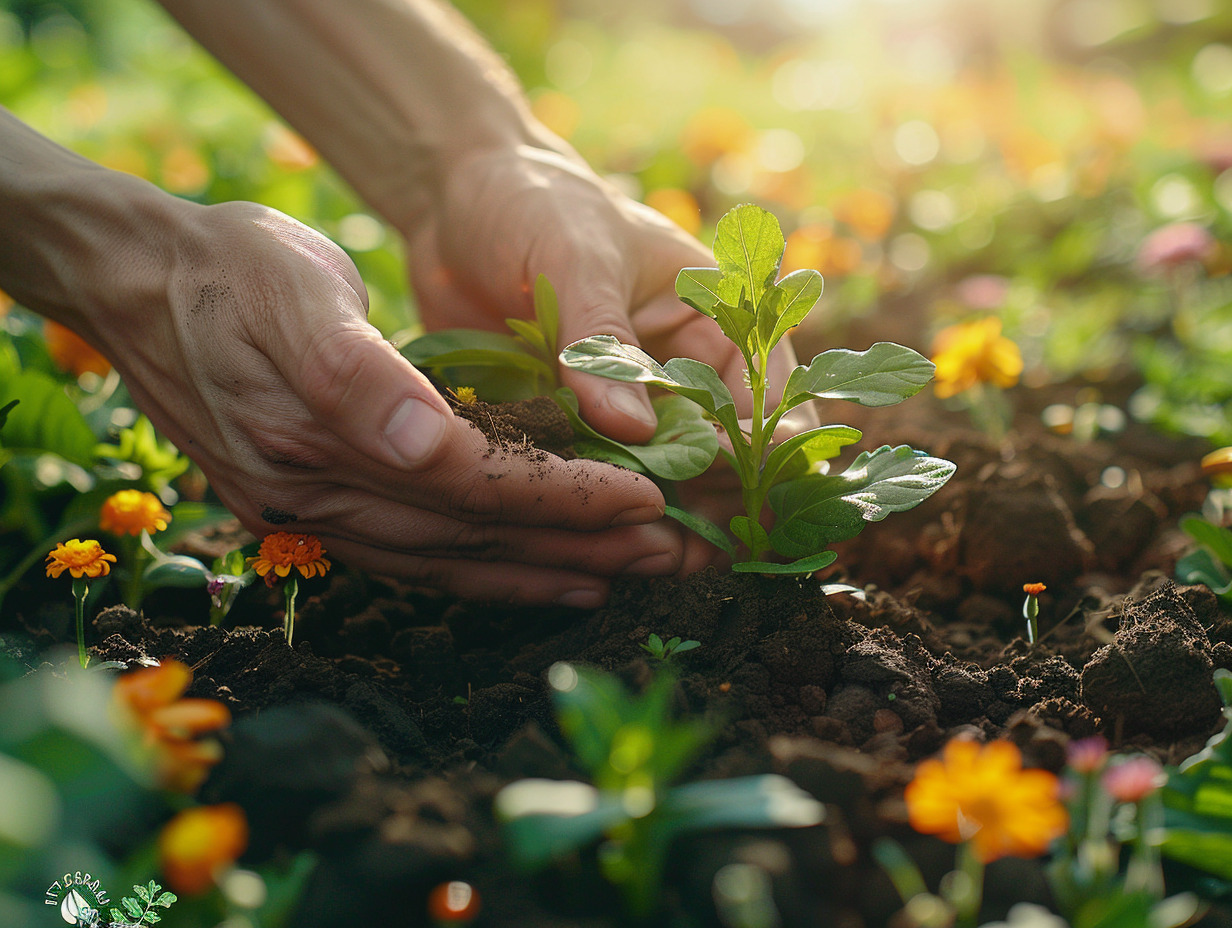
Solutions for Plants with Specific Problems
In the natural laboratory that is the garden, each floral or vegetable species may require a unique remedy in the face of summer constraints. The microclimate for plants, a top ecological concept, proves to be an effective lever for distressed plants. Creating a microclimate by grouping plants can help maintain relative humidity and reduce the temperature around the plants. The savvy gardener will know how to arrange their charges to form islands of freshness, where the interaction between species generates a beneficial exchange of shade and humidity.
For indoor plants suffering from overly dry air, the advice focuses on simple but effective home tricks. Consider installing humidifiers or, more simply, placing bowls of water nearby to generate slow and constant evaporation. Indoor plants, away from the direct rigors of the sun, will thus be better able to withstand the often-dry ambient air caused by air conditioning or ventilation systems.
The vegetable garden requires special attention. Tips for the summer vegetable garden focus on the specific care of food-producing plants, which, beyond enjoyment, must also yield. Choosing drought-resistant varieties becomes a strategic option, just like crop rotations that optimize the use of water and soil nutrients. The advice for the garden, at harvest time, then takes on a pragmatic dimension: preserving biodiversity and the abundance of cultivated species while adapting to the sometimes scorching moods of summer.